Gas Cogeneration Systems: The Future of Efficient, Sustainable Power
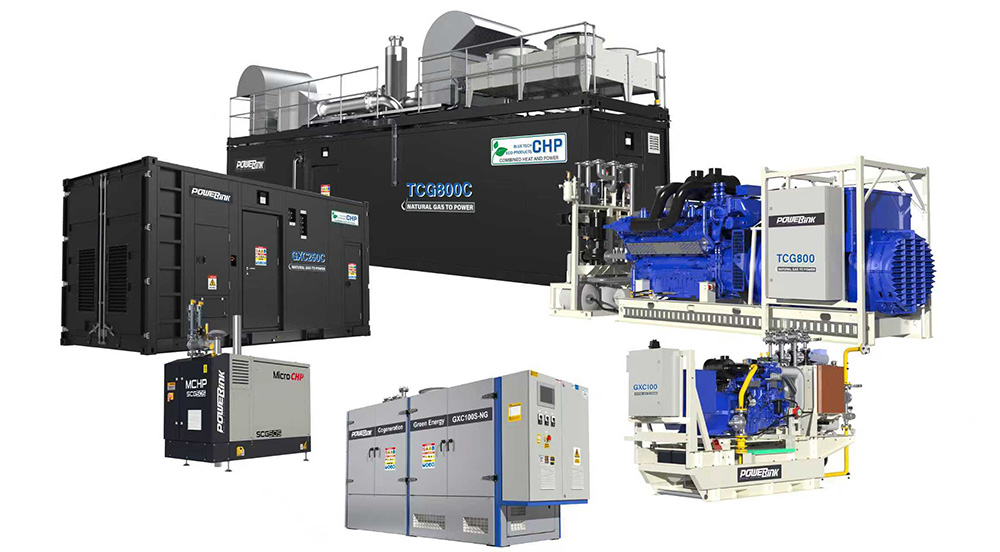
As global energy systems shift toward higher efficiency and lower emissions, gas cogeneration systems—also known as combined heat and power (CHP) systems—are playing an increasingly critical role.
Unlike traditional power generation methods that waste large portions of fuel energy as unused heat, cogeneration systems capture and repurpose this thermal energy for productive use.
By combining the production of electricity and heat into one integrated process, gas cogeneration technology significantly increases overall fuel utilisation while cutting operational costs and environmental impact.
Companies like PowerLink Energy have become pioneers in this sector, offering comprehensive gas cogeneration solutions designed for industrial, commercial, and institutional applications around the world.
What Are Gas Cogeneration Systems?
At their core, gas cogeneration systems produce both electricity and heat from a single fuel source. A gas engine drives an alternator to generate electricity while simultaneously releasing heat through exhaust and cooling processes.
Instead of allowing this heat to dissipate, the system recovers it through heat exchangers and repurposes it for on-site needs such as water heating, space heating, or even cooling through absorption chillers.
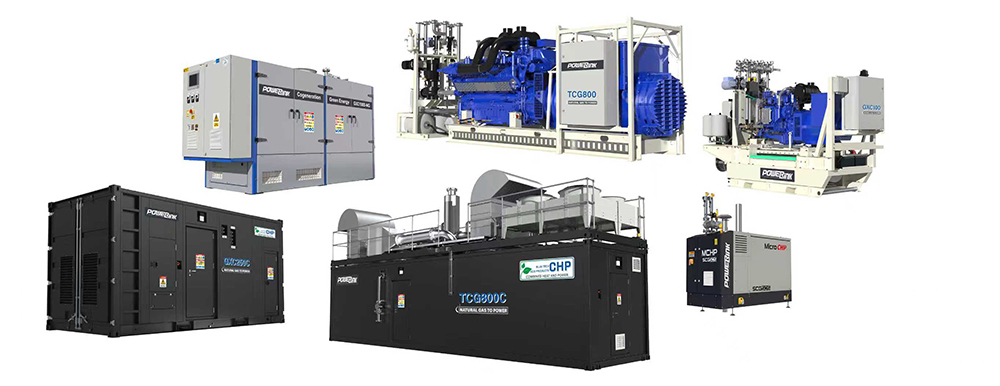
The process can raise total system efficiency from around 35% in conventional power plants to more than 80% in optimized CHP installations. PowerLink’s own cogeneration portfolio, covering power ranges from 10 kW to 2,000 kW, exemplifies how intelligent design and modular technology can meet diverse energy demands across industries.
Core Components and Operation
- A modern gas cogeneration system integrates multiple subsystems that work together seamlessly.
- Prime Mover (Engine or Turbine): The combustion engine converts fuel energy into mechanical power.
- Generator: Coupled to the engine, it produces electricity for direct use or grid export.
- Heat Recovery System: Captures thermal energy from exhaust gases and engine cooling circuits.
- Control and Monitoring System: Optimizes performance, manages load balance, and ensures safety.
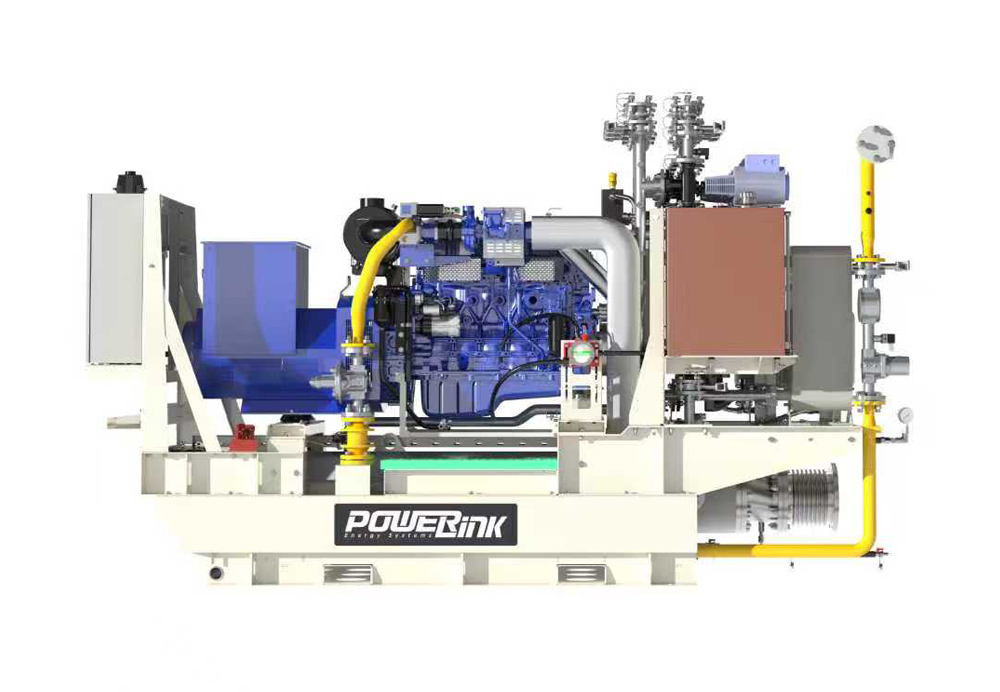
In PowerLink’s units—such as the GXC and CG series—each of these elements is engineered for maximum efficiency. Advanced lean-burn engines lower nitrogen oxide emissions, while integrated control systems manage electrical output and heat recovery in real time.
Technological Advancements
The evolution of gas cogeneration systems reflects rapid innovation in both mechanical and digital domains. Modern systems are far more adaptable and intelligent than those of a decade ago.
PowerLink’s latest designs feature modular construction, enabling quick installation and scalability. Users can deploy a single small system for localized energy needs or interconnect multiple units for industrial-scale power generation. Their systems are compatible with both 50 Hz and 60 Hz grids, making them globally deployable.
Additionally, their Product Lifecycle Management (PLM) control platform allows continuous monitoring and predictive maintenance. Through smart sensors and data analytics, operators can track real-time performance metrics, receive automated alerts, and reduce downtime. This convergence of energy hardware and digital intelligence marks a defining shift in how modern power plants operate.
Efficiency and Environmental Benefits
The key appeal of gas cogeneration systems lies in their extraordinary energy efficiency. By generating electricity and recovering heat simultaneously, total fuel utilisation exceeds 80%, sometimes approaching 90% in optimized conditions.
This efficiency directly translates into:
- Reduced fuel consumption: Less fuel is required to meet combined energy needs.
- Lower emissions: Compared with coal or oil-based systems, gas cogeneration reduces CO₂, NOₓ, and particulate output.
- Improved cost-effectiveness: Facilities save on both electricity and heating expenses.
When fueled by renewable gases such as biogas or landfill methane, these systems can operate with net-zero carbon emissions, turning waste streams into valuable energy. PowerLink’s biogas-compatible cogeneration models highlight this sustainable pathway, aligning economic goals with environmental responsibility.
Industrial and Commercial Applications
Gas cogeneration systems are remarkably versatile, serving industries and facilities where both electricity and thermal energy are essential.
In industrial plants, they provide consistent power for operations and deliver hot water or steam for manufacturing processes. Food-processing facilities use recovered heat for pasteurization and cleaning, while chemical plants employ it for process heating.
In commercial environments, such as hotels, hospitals, and universities, cogeneration ensures reliable electricity while covering heating or cooling demands. For hospitals, where uninterrupted energy is vital, CHP systems provide resilience against grid failures.
The agricultural sector has also embraced cogeneration. Farms and waste-management facilities convert biogas from manure or organic waste into renewable energy, reducing methane emissions and improving energy independence.
Even remote or off-grid areas benefit from compact cogeneration systems. PowerLink’s ACG series, for instance, offers small, containerized units suitable for microgrids or distributed generation in regions lacking reliable infrastructure.
Challenges and Solutions
While the advantages of gas cogeneration are compelling, implementation does require thoughtful planning.
The first challenge is fuel quality and consistency. Biogas and landfill gas often contain impurities such as hydrogen sulfide or moisture, which can affect combustion and equipment life. To mitigate this, systems incorporate gas-cleaning modules and adaptive control algorithms that automatically adjust to fuel variations.
A second challenge involves system integration. Because cogeneration units connect to both electrical and thermal networks, engineers must carefully design exhaust routing, ventilation, and heat-distribution systems. Modular designs—like those from PowerLink—simplify this process and reduce commissioning time.
The third challenge is matching thermal output to real demand. If waste heat cannot be effectively used, efficiency drops. Successful projects always begin with a thorough energy audit to ensure optimal heat recovery.
Finally, maintenance and operation must be managed proactively. Modern digital monitoring platforms allow predictive maintenance scheduling, while global service networks ensure rapid response. PowerLink’s worldwide technical support team—spanning nearly a hundred countries—illustrates how after-sales infrastructure enhances reliability.
Economic and Strategic Value
From a financial standpoint, gas cogeneration systems represent an investment that pays for itself through long-term operational savings. Facilities typically experience 20–40% reductions in total energy costs, with payback periods ranging between three and six years depending on usage patterns and fuel prices.
Beyond economics, cogeneration provides strategic resilience. On-site power generation reduces dependence on the utility grid, ensuring continuity during blackouts or peak-demand periods. This reliability is particularly valuable for mission-critical operations such as hospitals, data centers, and manufacturing lines.
Moreover, installing a gas cogeneration system can enhance a company’s environmental credentials, helping it meet sustainability targets and comply with government regulations on energy efficiency and emissions.
Conclusion
Gas cogeneration systems represent a cornerstone of modern energy infrastructure. By merging electricity generation and heat recovery into one efficient process, they reduce fuel waste, cut emissions, and strengthen energy resilience. From industrial production to commercial facilities and biogas farms, these systems deliver measurable savings and sustainability benefits.
Manufacturers such as PowerLink Energy continue to refine this technology—introducing smarter controls, flexible designs, and cleaner combustion strategies that bring high-efficiency power generation within reach of more businesses worldwide.
As the world accelerates its transition toward sustainable energy, gas cogeneration systems stand out not only as a cleaner alternative but as a smarter, future-ready solution for integrated power and heat generation.
