



Natural Gas Cogeneration: A Smart and Efficient Solution for Modern Energy Demands
What Is Natural Gas Cogeneration?
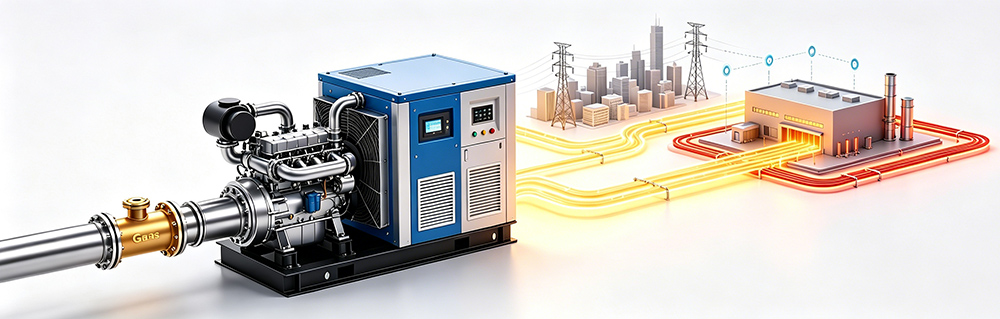
Natural gas combined heat and power (CHP) is a process that recovers and utilizes the heat generated during power generation, rather than letting it dissipate as waste heat. In traditional power plants, only a portion of the fuel energy is converted into electricity, while the remainder is lost as heat. Natural gas-fired CHP systems can recover this waste heat and use it for building heating, industrial production, hot water supply, and even cooling via absorption chillers.
This is why CHP is inherently more efficient than traditional power generation methods. Heat is no longer a byproduct but becomes a valuable resource, significantly increasing the total available energy output for the same amount of fuel.
How Cogeneration Works
The core of a cogeneration system lies in a fuel source (usually natural gas) that drives an engine or turbine, which in turn connects to a generator. The generator produces electricity. In a typical system, a significant portion of the energy used for power generation is converted into heat. Instead of letting this heat dissipate, the cogeneration system captures it through a heat exchanger and uses it for production purposes. Ultimately, a highly efficient system can provide both electricity and heat simultaneously.
For locations like hospitals, manufacturing plants, hotels, or campuses with stable demands for both electricity and heat, this translates to significant improvements in operational efficiency and energy savings.
Why Natural Gas Makes Sense for Cogeneration
Natural gas is a clean-burning fossil fuel that offers practical advantages for cogeneration applications:
- High efficiency and operational reliability: Natural gas engines deliver a steady, scalable power output with flexibility to match load demands.
- Extended service life and stable operation: Systems like PowerLink’s GXE series are engineered for durability and continuous use with reliable performance.
- Lower emissions: Compared with coal or oil-fired generation, natural gas produces fewer particulates and lower CO₂ emissions, making it a responsible choice for companies pursuing sustainability.
Natural gas cogeneration stands at the sweet spot between performance and environmental responsibility. It delivers both operational value and reduced environmental impact.
Why Choose PowerLink Gas Power and CHP Solutions?
PowerLink has been a trusted manufacturer of gas power and cogeneration systems since 2001, delivering products that span from compact units to large-scale solutions up to 2000 kW in output. Our gas generator and cogeneration portfolio includes products powered by natural gas, biogas, LPG, and other gas sources, supported by well-known engine brands such as MAN, Perkins, and MWM.
One standout example is the Performance Power GXE Series, designed to deliver high cost-effectiveness with dependable distributed energy performance. These units typically operate with efficiencies above 36%, making them ideal for distributed generation applications where reliability and ease of installation matter.
With modular design, stable operation, and a focus on durability, GXE series generators help organizations deploy onsite power quickly and start realizing savings sooner. Whether for industrial installations, commercial facilities, or utility support applications, PowerLink systems provide flexible configurations to match specific energy needs.
The Benefits of Natural Gas Cogeneration
1. Significantly Reduced Energy Costs
By generating both electricity and thermal energy simultaneously, facilities draw less fuel for the same useful energy output than they would with separate systems. This dual-use approach significantly reduces operating expenses, often resulting in highly attractive payback periods.
2. Increased Energy Efficiency
Unlike traditional power plants, cogeneration systems achieve exceptional total fuel efficiencies. Heat that would normally escape is captured and repurposed, leading to dramatically improved energy utilization that benefits both bottom lines and sustainability goals.
3. Lower Carbon Emissions
Because cogeneration extracts more usable energy from each unit of fuel, these systems emit less CO₂ per unit compared to conventional setups. This helps facilities maintain high performance while advancing ESG targets.
4. Energy Reliability and Independence
Cogeneration systems installed on-site provide a reliable source of electricity and heat that isn’t fully dependent on the utility grid, ensuring resilience for mission-critical operations like hospitals and data centers during grid disruptions.
5. Flexibility Across Industries
Natural gas cogeneration is versatile enough to serve many sectors. Common applications include:
- Manufacturing facilities with high heat and power demand
- Commercial complexes and campuses seeking lower utility bills
- District energy systems serving multiple buildings
- Hospitality and institutional buildings requiring uninterrupted heat and power
- Industrial processes where waste heat has high value
Whether the application is heat-intensive or power-focused, cogeneration systems can be configured to meet diverse load profiles while optimizing overall performance.
Why Cogeneration Matters in Today’s Energy Environment
In a world where energy costs can fluctuate and sustainability goals are becoming business imperatives, natural gas cogeneration stands out as a practical and impactful solution.
Cogeneration turns what was once wasted heat into a strategic resource, helping companies reduce costs, lower emissions, and strengthen energy resilience. With modern systems engineered for efficiency and reliability, CHP solutions are no longer niche technology but mainstream energy infrastructure.
For businesses looking to improve competitiveness while taking meaningful steps toward sustainability, natural gas cogeneration delivers measurable outcomes.
Conclusion
Natural gas combined heat and power (CHP) is one of the most efficient energy production methods available today. By utilizing a single fuel source to generate both electricity and heat, businesses can significantly reduce costs, decrease emissions, and improve operational reliability.
PowerLink offers a comprehensive range of natural gas and CHP systems, including cost-effective solutions such as the GXE series, helping your business take control of its energy strategy and build a more resilient and sustainable future.
Visit PowerLink Energy to learn about our diverse solutions, and explore how CHP can revolutionize the way your plant uses energy.