



The Benefits of CHP Systems for Commercial Use
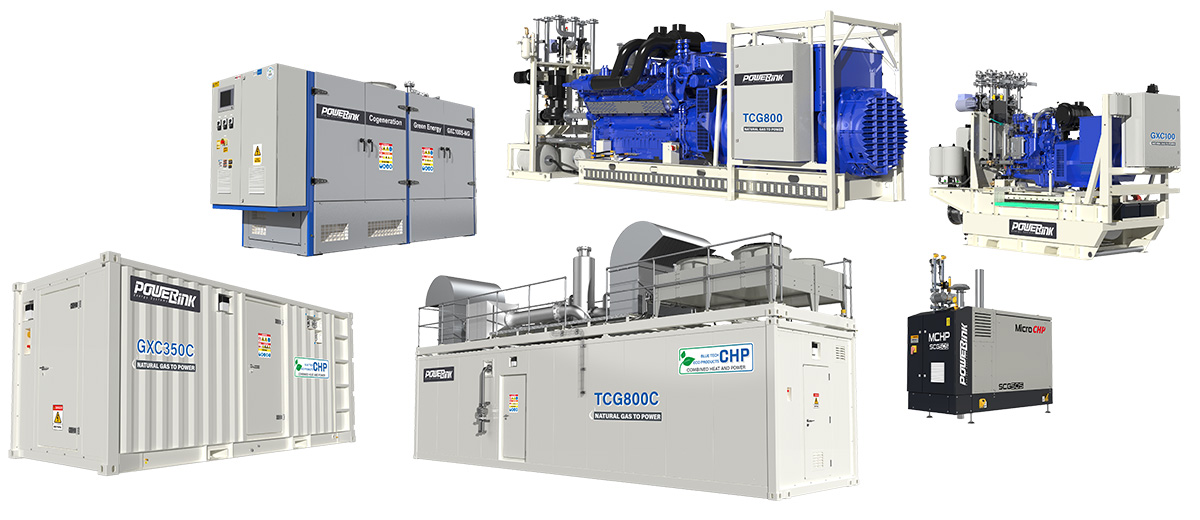
What Are Combined Heat and Power (CHP) Systems?
A Combined Heat and Power (CHP) system is an advanced energy solution that captures and utilizes the heat produced during electricity generation, which would otherwise be wasted in conventional power plants. By capturing this heat and using it for purposes like space heating, hot water generation, or even cooling, CHP systems can operate at efficiencies of up to 90% compared to the typical 50% efficiency of traditional energy systems.
CHP systems are designed to generate both electricity and thermal energy simultaneously using a single energy source like natural gas, biomass, or waste-derived fuels. This dual production maximizes the use of energy and contributes to a highly sustainable and cost-effective solution for commercial operations.
Key Benefits of CHP Systems for Commercial Buildings
The integration of a CHP system into commercial buildings offers a range of benefits extending from immediate energy savings to long-term environmental performance. Below are the most significant advantages of adopting this technology:
1. Enhanced Energy Efficiency
Traditional energy generation methods typically waste a significant portion of generated energy as heat. CHP systems capture this waste heat to provide heating or hot water, utilizing up to 90% of the fuel’s energy. This combined production drastically lowers overall energy consumption and reduces demand on grid-based power supplies.
2. Cost Savings
By generating electricity on-site, businesses reduce their reliance on external suppliers and avoid grid price fluctuations. Since CHP systems also provide heating and hot water, facilities can eliminate separate heating systems. The initial investment is frequently recouped within a few years through substantial utility bill reductions.
3. Reduced Greenhouse Gas Emissions
By maximizing fuel efficiency, CHP systems substantially reduce greenhouse gas emissions compared to conventional energy systems. Implementing this cleaner technology helps businesses meet corporate sustainability goals, shrink their carbon footprint, and earn credits toward green building certifications.
4. Improved Energy Resilience
Power outages and grid instability can severely disrupt operations. CHP systems mitigate these risks by providing reliable, on-site power generation. For commercial buildings that require round-the-clock operations, including hospitals and data centers, advanced CHP units provide a constant energy source independent of the grid.
Support for Sustainability Goals: As sustainability becomes a global priority, CHP systems provide a strategic pathway for businesses to lower energy consumption and achieve regulatory compliance for emissions.
Applications of CHP Systems in Commercial Settings
CHP systems are versatile and perform exceptionally well in sectors requiring consistent and substantial energy inputs. Key industries commonly implementing this technology include:
- Office Buildings: Large office complexes utilize CHP systems for reliable electricity and heating while significantly reducing operating costs and environmental impact.
- Hospitals: With massive energy demands for lighting, climate control, and critical medical equipment, hospitals rely on the uninterrupted power and high efficiency of cogeneration to ensure patient safety.
- Hotels and Resorts: Hospitality venues require extensive HVAC systems and hot water. CHP systems provide a cost-effective solution to meet these continuous baseline loads.
- Industrial Facilities: Manufacturing operations relying on both electricity and process heat can meet their demands highly efficiently, improving overall energy independence.
- Retail and Commercial Complexes: Shopping malls requiring consistent lighting and climate control benefit from enhanced energy efficiency and lower utility overhead.
Factors to Consider Before Implementing a CHP System
Before installing a CHP system, commercial building managers and executives should carefully evaluate several critical factors:
- Energy Demand Profile: Assessing the building’s energy needs is crucial. CHP systems are most effective in facilities with a consistent, year-round demand for both electricity and thermal energy.
- Fuel Availability: Since these systems rely on fuels like natural gas or biogas, the regional accessibility and pricing of these resources directly impact long-term operational cost-effectiveness.
- Initial Investment: While operational savings are significant, the upfront installation cost can be high. Businesses must calculate the total return on investment (ROI) over the equipment’s lifespan.
- Regulatory Compliance: It is vital to ensure the proposed system meets all local regulations regarding emissions, waste disposal, and utility grid interconnection standards.
Conclusion
Combined Heat and Power (CHP) systems offer a comprehensive energy solution for commercial buildings, providing substantial benefits in terms of energy efficiency, cost savings, environmental sustainability, and energy resilience. By harnessing both electricity and heat from a single energy source, they reduce waste and improve a building’s overall energy profile.
For businesses looking to reduce operational costs, enhance energy independence, and meet ambitious sustainability targets, CHP systems provide an ideal solution. With proper planning regarding energy needs, fuel sources, and regulatory requirements, organizations can seamlessly integrate PowerLink Energy’s advanced cogeneration technology to gain a competitive edge in an increasingly energy-conscious world.