



Gas Power Generation Equipment: Reliable Energy for a Sustainable Future
Understanding Gas Power Generation Equipment
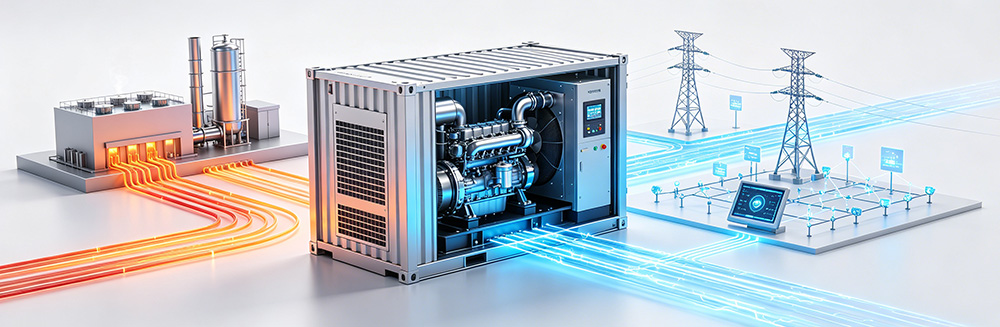
At its core, gas power generation equipment converts the chemical energy of gaseous fuels into mechanical energy through combustion in an engine, and then into electrical energy through an alternator. Many systems also recover waste heat, allowing combined heat and power (CHP) production for enhanced efficiency.
These systems typically include a gas engine, generator, control unit, cooling system, and exhaust treatment components. Depending on their design, they can operate as standby, prime, or continuous power sources. The flexibility of configuration, whether deployed as open-type, soundproof, or containerized units, makes them suitable for diverse environments ranging from data centers to remote oilfields.
Fuel Flexibility and Operational Efficiency
One of the most compelling advantages of gas-fueled systems is their ability to run on various types of gaseous fuels. Natural gas remains the most common choice because of its clean combustion and widespread availability, but many modern systems also support liquefied petroleum gas (LPG), biogas, landfill gas, and even flare gas from oil fields.
This adaptability not only improves energy security but also supports sustainability goals. For example, using biogas or landfill gas captures methane that would otherwise be released into the atmosphere, significantly reducing greenhouse gas emissions. In addition, cogeneration units, notably PowerLink’s GXC series, can reach electrical efficiencies exceeding 40 percent and even higher total efficiencies when thermal energy recovery is included.
The advanced control systems built into modern gas generators continuously optimize engine performance, prevent knocking, and monitor operational parameters in real time. Combined with modular design, this enables faster installation, smoother integration with existing power systems, and easier maintenance over the equipment’s lifetime.
Key Features of Modern Gas Power Generation Systems
Today’s gas power solutions are defined by several engineering innovations that improve performance, safety, and cost-effectiveness. Manufacturers like PowerLink emphasize modular architecture, which allows scalable installation and simple transportation. The control technology is also increasingly digital, integrating sensors, diagnostics, and remote monitoring for real-time system oversight.
Another crucial feature is fuel adaptability, enabling the same core engine platform to handle multiple gas compositions with only minor adjustments. This makes it possible to deploy units in regions with limited access to conventional fuels or in industries that generate their own gas by-products.
Furthermore, gas generator sets are designed for global compatibility, supporting both 50 Hz and 60 Hz grids. This dual-frequency capability simplifies export, installation, and cross-border project management. Combined with a robust global service network, this ensures reliable operation and long-term technical support.
The Environmental and Economic Benefits
Gas power generation strikes a rare balance between performance and sustainability. Compared with coal or heavy oil, natural gas produces far fewer pollutants such as sulfur oxides, particulates, and carbon dioxide. The combustion process is cleaner and more controllable, enabling compliance with even stringent emission standards.
Favorable Lifecycle Costs
Although the initial investment may be comparable to that of diesel generators, the lower fuel price and extended service intervals lead to substantial savings over time.
Long-term Dependability
The engines’ long lifespan and modular structure make them a smart capital investment for companies seeking dependable, long-term energy solutions.
Maximum Efficiency
By capturing waste heat for heating or industrial processes, overall fuel utilization can exceed 80 percent, effectively reducing energy waste.
Applications Across Industries
Gas power generation equipment has become indispensable across multiple sectors:
- Industrial Manufacturing: Provides stable energy for continuous operations where grid interruptions can cause costly downtime.
- Commercial Facilities: Hotels, hospitals, and office complexes rely on gas generators as backup systems to maintain critical services during outages.
- Remote Locations: In environments like oil and gas fields or mining sites, gas-powered systems serve as primary energy sources, transforming flare gas into valuable energy.
- Waste-to-Energy Projects: Biogas generated from agricultural residues, sewage, or landfill decomposition fuels small-to-medium-scale power plants, supporting circular-economy goals.
- Microgrids: Distributed-generation projects increasingly integrate gas engines with renewable resources like solar to balance intermittent output with reliable backup power.
Choosing the Right Gas Power Generation Solution
Selecting appropriate gas power generation equipment requires a thoughtful assessment of several technical and economic factors. The most important considerations include the required power range, fuel type and availability, expected operating hours, environmental regulations, and the desired efficiency level.
For instance, small businesses or facilities needing a compact, cost-effective solution might choose a low-power system in the 10 to 30 kW range, such as PowerLink’s GRS series. Industrial plants, data centers, or district-heating projects often deploy medium or high-capacity cogeneration units capable of supplying both electricity and process heat.
The installation environment also plays a role. Soundproof enclosures are preferred in urban areas, while open or containerized systems are ideal for industrial and outdoor locations. Attention should be paid to ventilation, exhaust systems, and fuel conditioning to ensure safe and compliant operation.
Long-term performance depends on after-sales service and maintenance. Choosing a manufacturer with a global service network guarantees access to spare parts, technical expertise, and on-site support. Finally, decision-makers should evaluate the return on investment by considering the total lifecycle cost rather than focusing solely on the purchase price.
The PowerLink Example
PowerLink Energy provides a strong case study for how modern manufacturers are redefining gas-powered technology. Its product range covers generator sets and CHP units from 10 kW to 2000 kW, catering to both 50 Hz and 60 Hz markets. Each series is engineered to meet different customer requirements, ranging from small distributed energy installations to large-scale industrial plants.
The company emphasizes environmental friendliness, fuel versatility, and global reliability. Its cogeneration units feature lean-burn combustion for lower emissions and offer multiple enclosure types to fit diverse environments. In addition, PowerLink integrates advanced monitoring and full lifecycle management systems (PLM), allowing users to control, diagnose, and maintain their units remotely.
Conclusion
Gas power generation equipment represents a cornerstone of modern, resilient energy infrastructure. It combines proven reliability with fuel flexibility, environmental performance, and cost efficiency. Whether providing backup power in urban centers, supplying electricity and heat in industrial plants, or transforming waste gas into renewable energy, gas-powered systems deliver consistent value across applications.
Manufacturers such as PowerLink demonstrate how innovation in design, modularity, and control technology can produce real-world benefits for users around the globe. As we move toward cleaner and more decentralized energy systems, gas power generation will remain a key player that is efficient, adaptable, and ready to support the world’s growing demand for sustainable energy.