



35-350kW
GXC Series
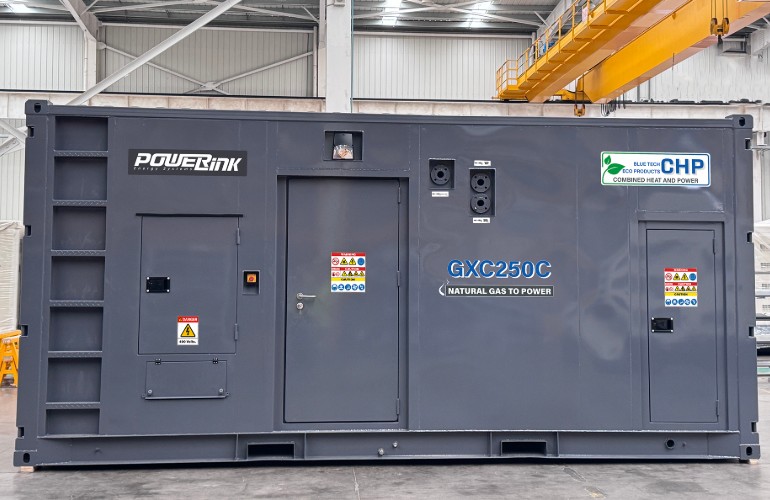
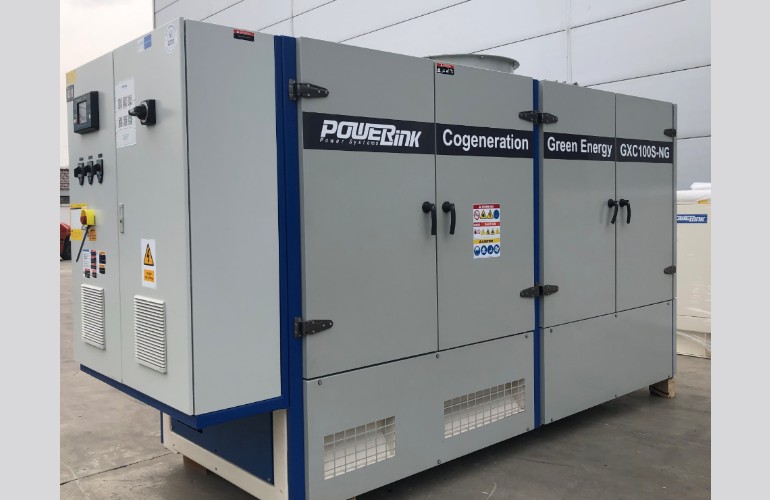
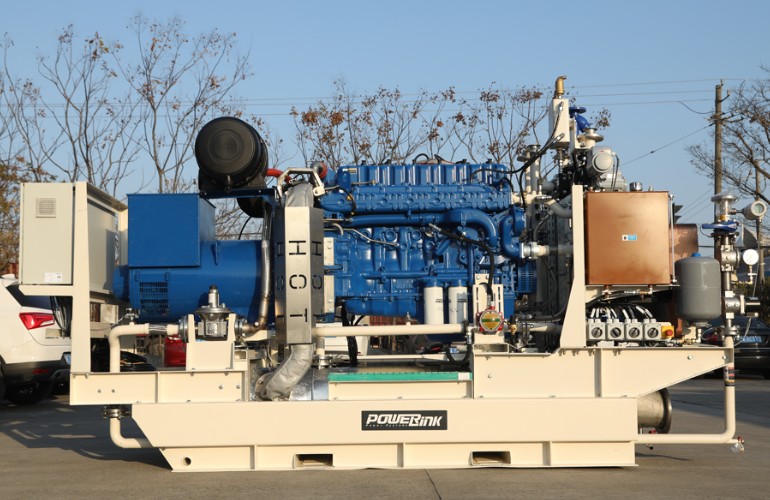
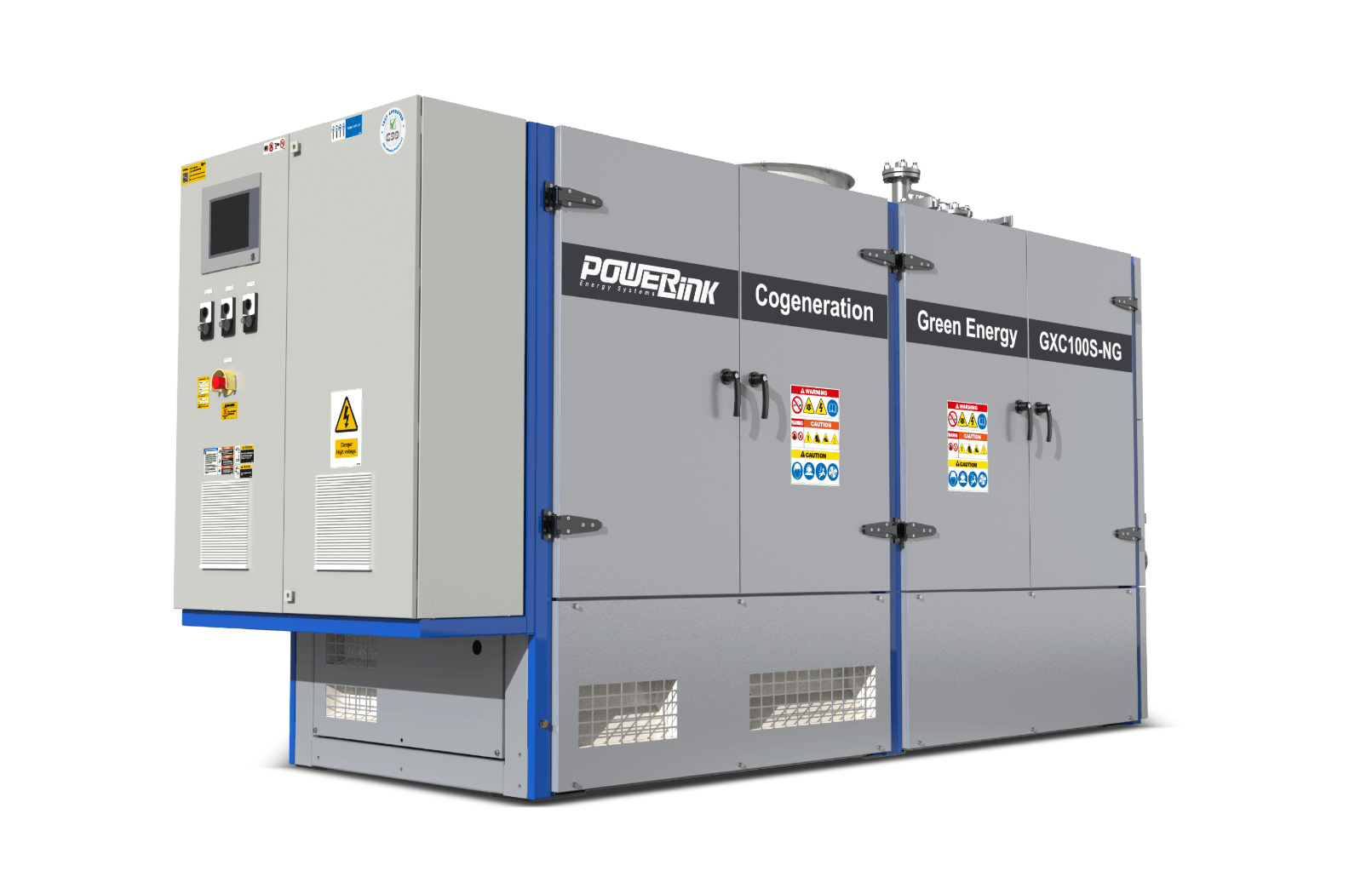
PowerLink GXC series generators represents a premium line of gas-fueled cogeneration systems, engineered as high-value distributed energy solutions. Covering an output range of 35kW to 350kW, these units operate seamlessly on natural gas or biogas and achieve an outstanding electrical efficiency of up to 44.4%. Equipped with world-renowned engines and alternators, paired with intelligent, high-performance control systems, the GXC series guarantees safe, stable, and reliable operation for long-term continuous use.

Cost-Efficiency
Lower Capex, Minimal Opex

Flexible Deployment
Modular Design, Rapid Setup

Smart Operation
One-Touch, Plug-and-Play

Robust Performance
High Output, Extreme Reliability
Features
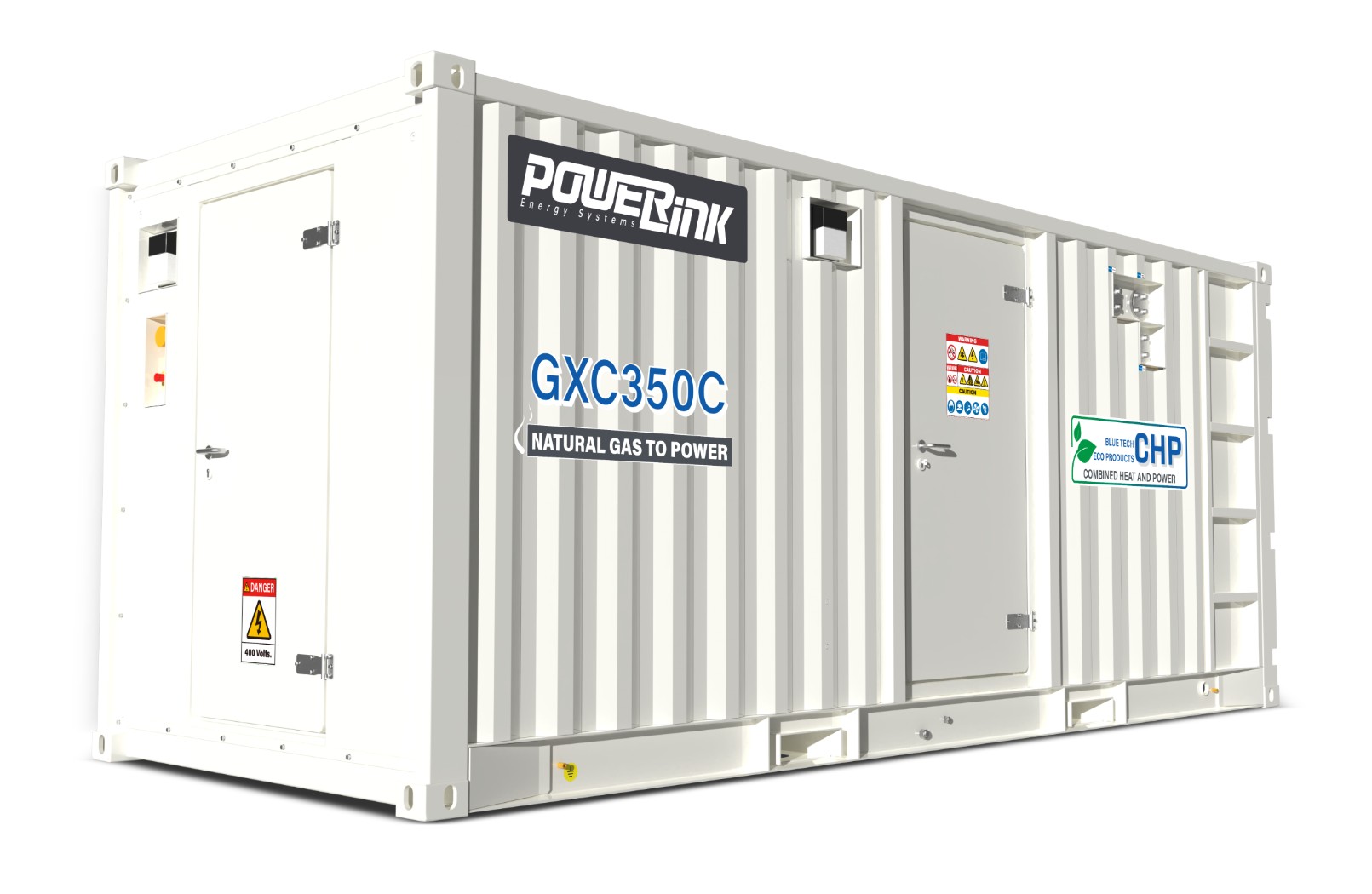
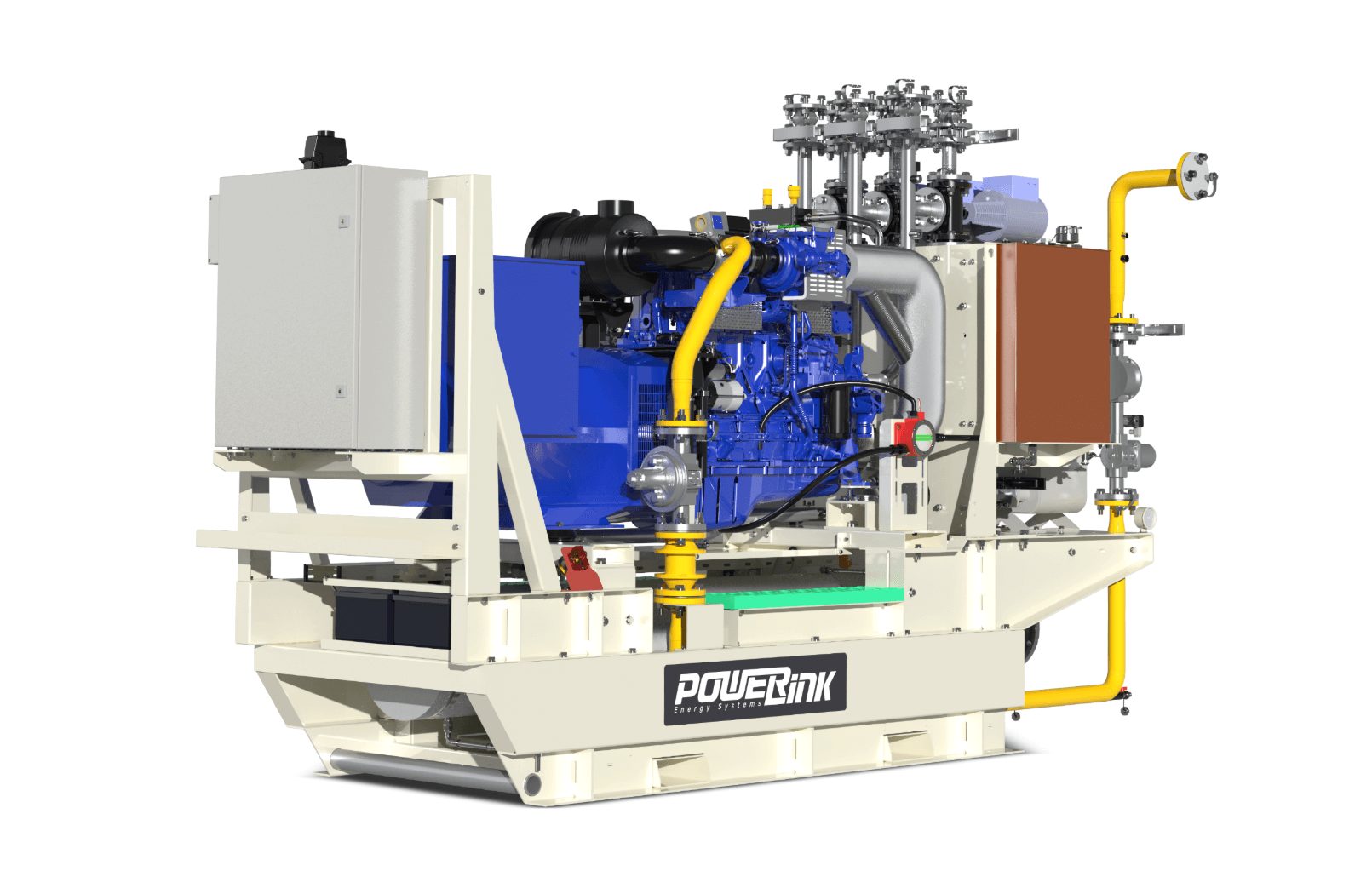
Wide Power Range
Designed for high-end applications, with power coverage from 50kW to 350kW to meet diverse energy demands
Modular & Quick-Install Design
Compact modular structure enables fast installation, commissioning, and immediate operational readiness.
Automatic Lubrication System
Built-in auto oil filling system supports extended, uninterrupted operation.
Ask an Expert
PowerLink provides tailored, high-efficiency energy solutions for sustainable power around the world.
 86-2157-858-099 ext 8820
 info@powerlinkenergy.com
GXC Series Parameter
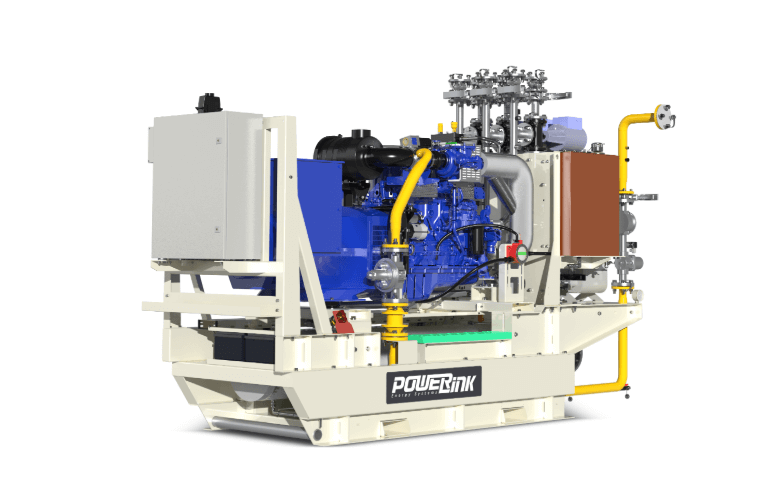
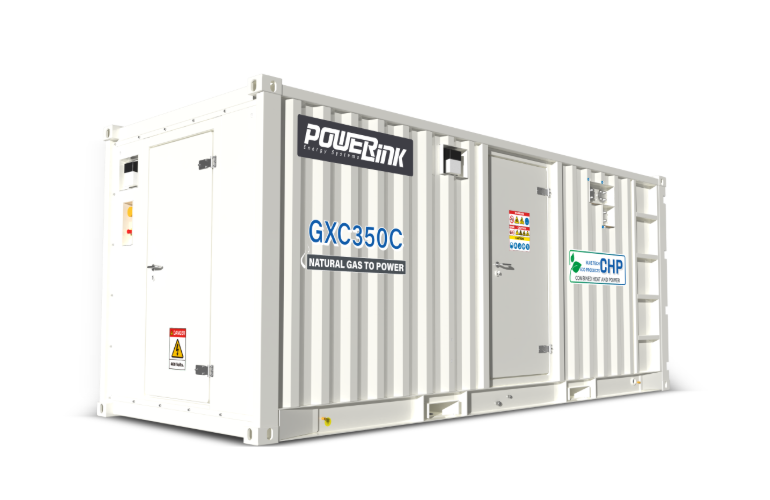
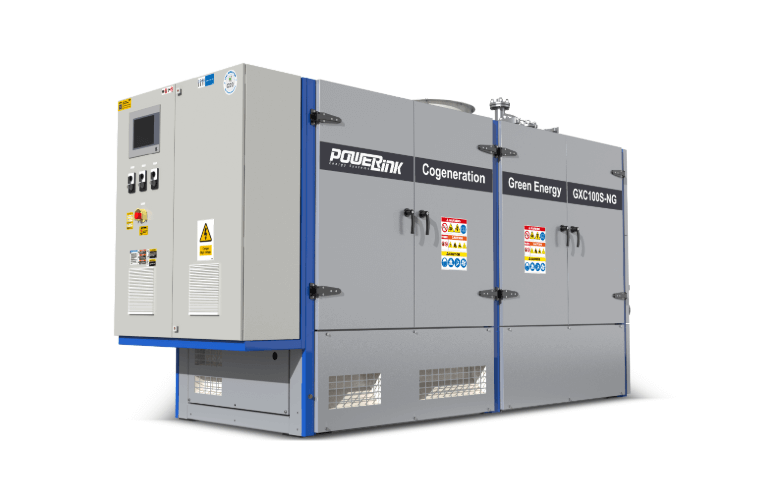
| StructureType | Open type | Container Structure | Soundproof Structure | |
| Dimension(LxWxH), mm | 2800x1050x1550 | 20/40 HQ &Optional | 3000*1050*1550 | |
| Noise level@7m,dB(A) | 84.2 | 60 | 62.2 | |
| Frequency | 50HZ/60HZ | 50HZ/60HZ | 50HZ/60HZ | |
| Voltage | 380V | 400V | 415V | 440V |
| Fuel Type | BG/NG | BG/NG | BG/NG |
GXC50-Specification
 Download
GXC50-Warranty Manual
GXC50-Brochure Manual
GXC50-Parts Manual
| StructureType | Open type | Container Structure | Soundproof Structure | |
| Dimension(LxWxH), mm | 3700x1150x1750 | 20/40 HQ &Optional | 4000*1150*1750 | |
| Noise level@7m,dB(A) | 87 | 65 | 67.9 | |
| Frequency | 50HZ/60HZ | 50HZ/60HZ | 50HZ/60HZ | |
| Voltage | 380V | 400V | 415V | 440V |
| Fuel Type | BG/NG | BG/NG | BG/NG |
GXC100-Specification
GXC100-Warranty Manual
GXC100-Brochure Manual
GXC100-Parts Manual
| StructureType | Open type | Container Structure | Soundproof Structure | |
| Dimension(LxWxH), mm | 4000x1200x1750 | 20/40 HQ &Optional | 4200*1250*2000 | |
| Noise level@7m,dB(A) | 86.9 | 66 | 68 | |
| Frequency | 50HZ/60HZ | 50HZ/60HZ | 50HZ/60HZ | |
| Voltage | 380V | 400V | 415V | 440V |
| Fuel Type | BG/NG | BG/NG | BG/NG |
GXC150-Specification
GXC150-Warranty Manual
GXC150-Brochure Manual
GXC150-Parts Manual
| StructureType | Open type | Container Structure | Soundproof Structure | |
| Dimension(LxWxH), mm | 4250x1300x2000 | 20/40 HQ &Optional | 4500*1400*2400 | |
| Noise level@7m,dB(A) | 91.1 | 70 | 72.9 | |
| Frequency | 50HZ/60HZ | 50HZ/60HZ | 50HZ/60HZ | |
| Voltage | 380V | 400V | 415V | 440V |
| Fuel Type | BG/NG | BG/NG | BG/NG |
GXC200-Specification
GXC200-Warranty Manual
GXC200-Brochure Manual
GXC200-Parts Manual
| StructureType | Open type | Container Structure | Soundproof Structure | |
| Dimension(LxWxH), mm | 4300x1300x2000 | 20/40 HQ &Optional | 4570*1410*2440 | |
| Noise level@7m,dB(A) | 91.7 | 69 | 71.8 | |
| Frequency | 50HZ/60HZ | 50HZ/60HZ | 50HZ/60HZ | |
| Voltage | 380V | 400V | 415V | 440V |
| Fuel Type | BG/NG | BG/NG | BG/NG |
GXC250-Specification
GXC250-Warranty Manual
GXC250-Brochure Manual
GXC250-Parts Manual
| StructureType | Open type | Container Structure | Soundproof Structure | |
| Dimension(LxWxH), mm | 5200X2000X2100 | 20/40 HQ &Optional | 5400*2050*2500 | |
| Noise level@7m,dB(A) | 89.7 | 73 | 75.2 | |
| Frequency | 50HZ/60HZ | 50HZ/60HZ | 50HZ/60HZ | |
| Voltage | 380V | 400V | 415V | 440V |
| Fuel Type | BG/NG | BG/NG | BG/NG |
GXC350-Specification
GXC350-Warranty Manual
GXC350-Brochure Manual
GXC350-Parts Manual
Related Product
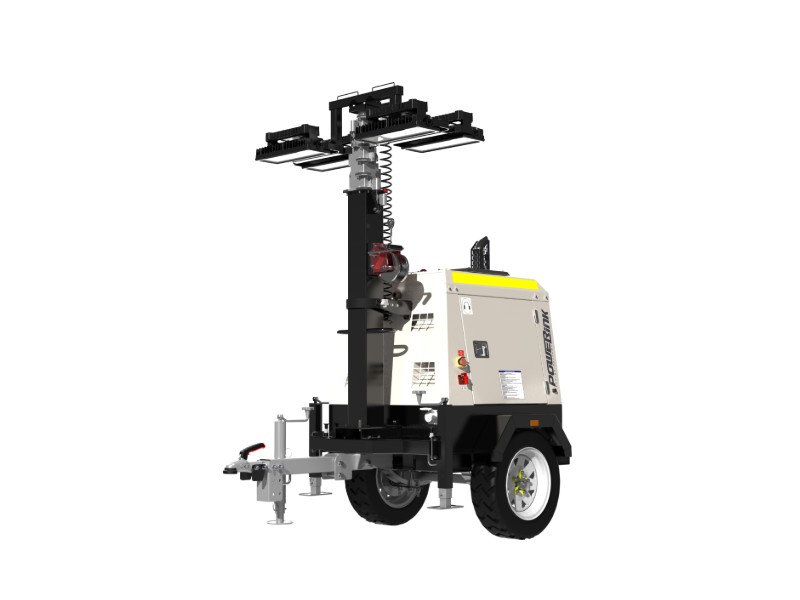
SLT1800
192000lm SLT1800 A diesel-powered mobile lighting tower is specifically designed to meet outdoor illumination requirements.
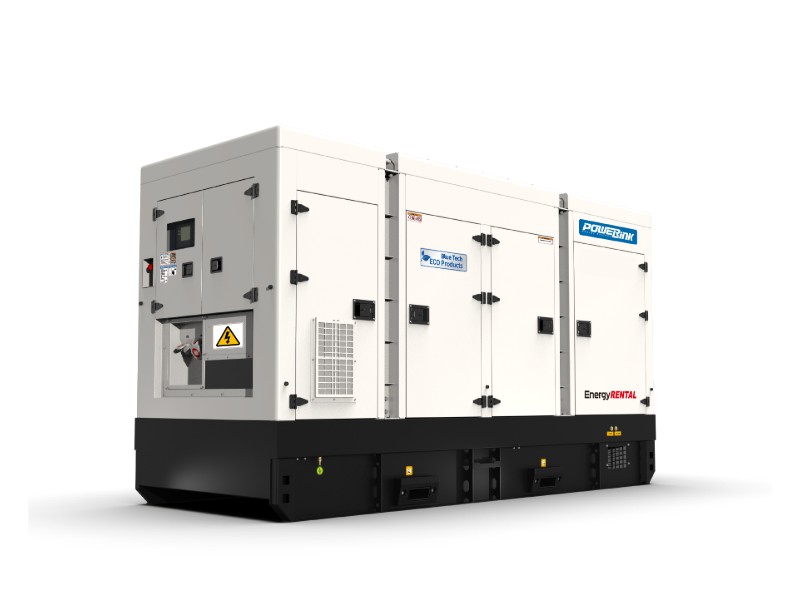
RK Series
The RK range of diesel generators, powered by Kubota engines, provides 7kVA to 45kVA for reliable and efficient power.
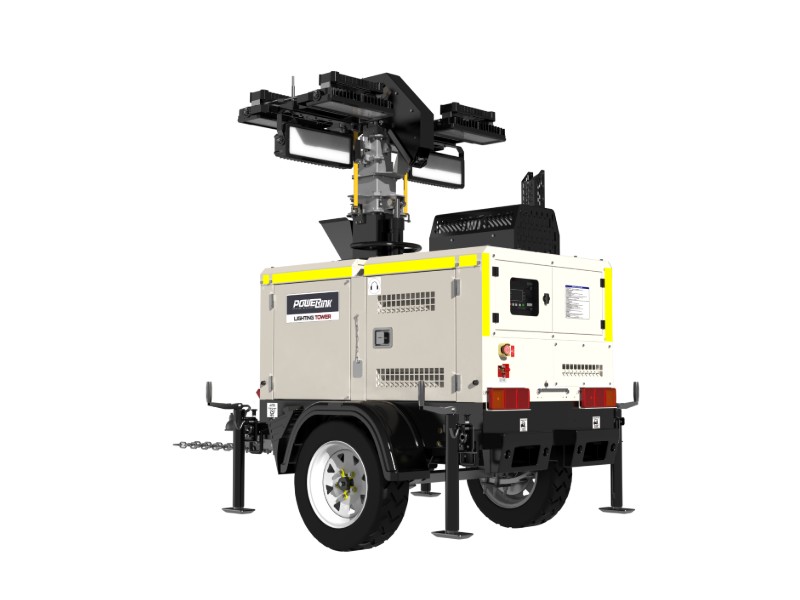
MS2000-KDC
192000lm MS2000-KDC Diesel-powered mobile lighting tower specifically designed to meet outdoor illumination requirements.
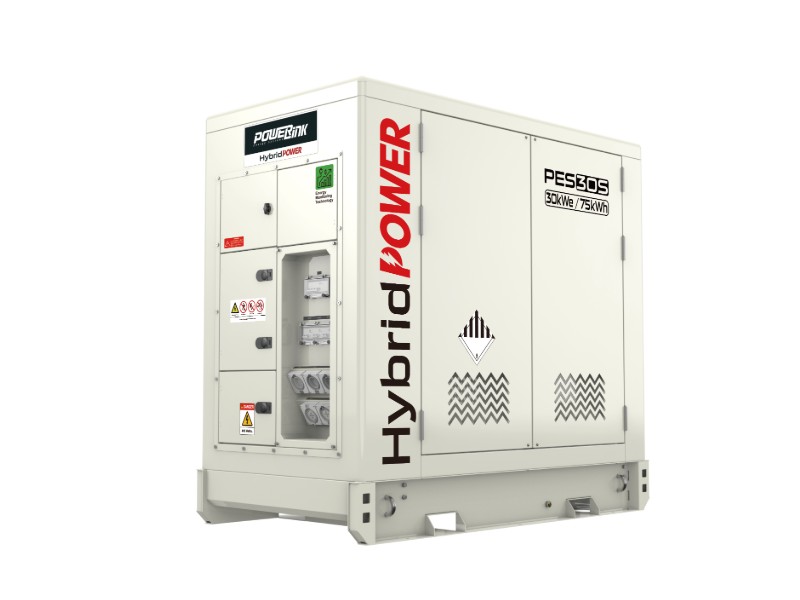
PES30S
30 kWe PES 30S PowerLink PES30S—A mobile hybrid energy system optimized for reduced operational costs and maximized ROI.
FAQ
What are the differences between the GRS, GXE, GE, and TGE gas power generation series products?
The GRS series has a power range of 10KW to 30KW and are specifically designed for micro power generation applications and are a highly cost-effective option. The GXE series products have a power range of 50KW to 350KW and are independently developed and manufactured by PowerLink, and are also a cost-effective option for customers. The GE series units have a power range of 50KW to 1000KW, with core components sourced from the world’s top brands, offering high value. The TGE series products have a power range of 600 to 2000KW, with core components selected from high-end global brands, offering high comprehensive efficiency and value. If you have sufficient budget, it is recommended to choose the GE or TGE series products.
What are the differences between the ACG, SCG, CG, GXC, and TCG gas-fired cogeneration series products?
The ACG&SCG series products have a power range of 10KW to 50KW and are designed for micro-grid distributed energy systems, with high cost-effectiveness. The CG series products have a power range of 50KW to 1000KW, with core components sourced from top global brands. The GXC series products, developed and manufactured entirely by PowerLink, have a power range of 35KW to 350KW, and are a highly cost-effective option for customers. The TCG series products are even more efficient, with a power range of 600KW to 2000KW, and core components sourced from global high-end brands.
What products and services can PowerLink provide for the utilisation of low-methane value energy sources such as landfill gas and coal bed methane?
Landfill gas methane content accounts for about 45% to 60% of the total landfill gas volume, with a calorific value of about 20MJ/Nm3. It is a high-value clean fuel. Coal bed methane is mainly composed of over 95% methane, with the remaining 5% being generally CO2 or nitrogen. After being extracted from the pipeline, the methane content of coal bed methane can be about 50%. For these two high-quality gas sources, our GXE, GXC, GE, CG, TCG, and TGE series units can stably combust and operate. We can provide detailed system solutions such as equipment selection, investment return analysis, and contract hosting services.
Can our gas unit be connected in parallel with the existing diesel engine on site?
Technically feasible, but gas and diesel are flammable and explosive fuels, which need to be safely isolated and non-standard design according to the specifications.
Is it feasible for two gas units to be installed in one container in parallel?
Our company has done the design project of parallel installation of two diesel generator sets in a container, and the design of two gas units in parallel in a container is technically feasible, and the specific design needs to be carried out according to the actual working conditions.